Yikes! - 8 Different Grains?
What are the Differences? What is the Best One?...For You?
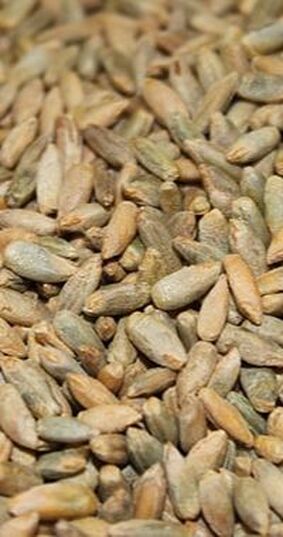
There are mulitple types of grains. They range from regular wheats to ancient varieties. Regular wheats are categorized by color, hardness, and time of year grown. The term hard refers to the higher gluten forming protein content of red or white wheat. The term soft refers to the lower gluten forming protein content with higher moisture. Hard and soft wheats can be grown in either winter (planted in fall) or spring. The hard varieties of wheat along with some ancient wheats have the higher protein content and enough gluten strength to create yeast breads. Soft grains and those with lower gluten strength cannot and instead be used to make quick breads, pancakes, waffles, biscuits, cookies, and cakes. Some grains like rye can be combined in small amounts with the yeast bread grains to make a yeast bread.
|
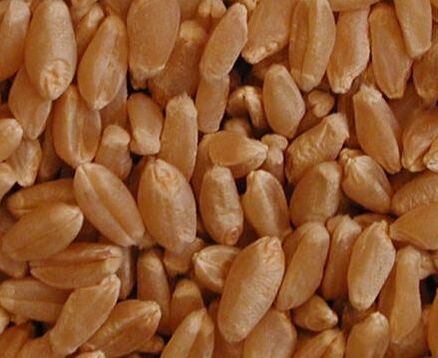
Hard Red Winter Wheat
|
Hard White WheatWhite wheat is a different type of wheat that has no major genes for bran color, unlike traditional red wheat which has one to three bran color genes. The bran of white wheat may be lighter in color, but it still has all the whole grain nutrition as red wheat. However, it is milder in flavor than red wheat, making whole grain white wheat more appealing to many people accustomed to the taste of processed flour. It can be used to make the same foods as hard red wheat.
|
|
|
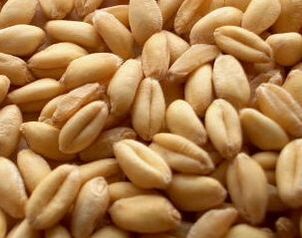
Soft White Wheat
|
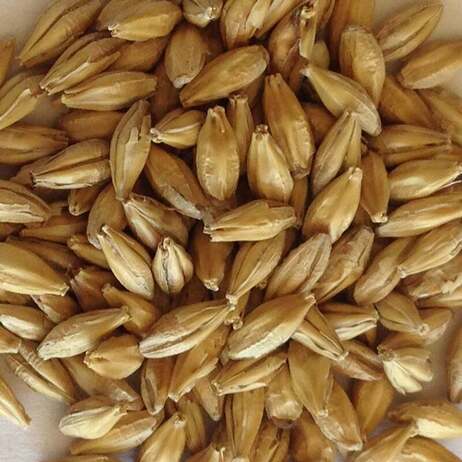
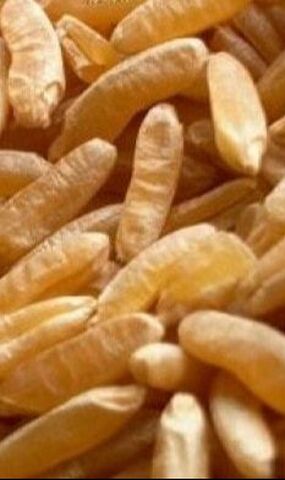
BarleyMost of the barley grown in the U.S. is used for animal feed. However for the kitchen; this ancient grain can be used in everything from cookies to flatbreads. It has a nutty flavor that is also great in soups and stews. It is not good for making yeast breads but can be made into a quick bread. It contains high amounts of fiber distributed throughout the kernel, not just in the bran layer.
The most common type of barley available is pearled barley, which means that the hull and most of the bran has been removed. For the most nutritious version of this grain, look for hulled or whole barley which preserves the bran. |
|
|
|
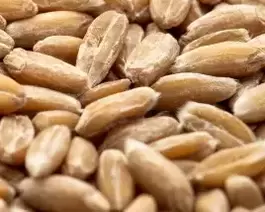
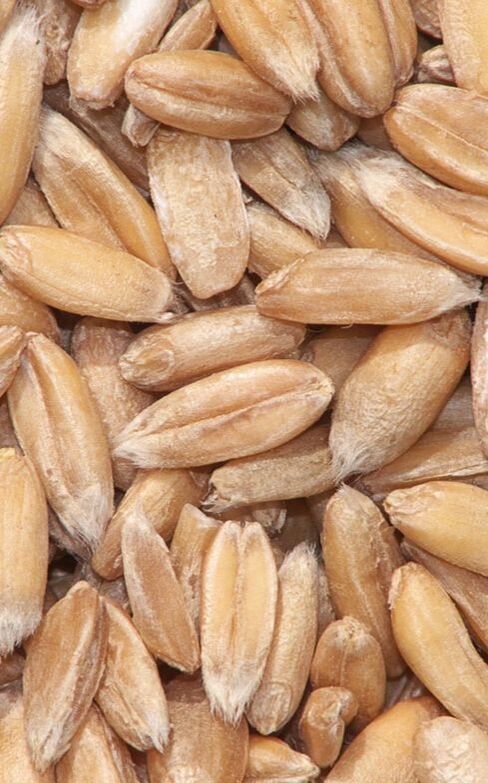
Spelt (another ancient grain)Spelt is an ancient variety of wheat with its roots in the Fertile Crescent. It is more widely used in Europe where it’s known as dinkel in Germany and farro grande in Italy. Spelt is renowned for its health benefits but also delivers a mellow
nutty flavor. Because it has a tough outer hull that has to be mechanically removed, there are more steps involved with harvesting and cleaning the grain, which makes it more expensive. Spelt is a versatile grain. While higher in protein than commonly used wheat varieties, the proteins in spelt create less gluten formation when making yeast bread dough. However, all spelt can be used to make a yeast loaf of bread. It is a grain that can be used in place of ordinary wheat for yeast breads and pasta and in place of soft wheat for cookies, pies, and pastries. Spelt is a unique grain. It has a different protein structure than wheat. It can form gluten but does not contain gliadin. Therefore, many people with wheat allergies or sensitivities can enjoy yeast bread made with all spelt flour. It also is the only grain that contains a long-chain carbohydrates called mucopolysaccharides, which the body digests slowly. As a result this gives sustained energy. Mucopolysaccharides also are anti-inflammatory, stimulate the immune system, lower cholesterol, and may prevent blood clots. |
|
|
|
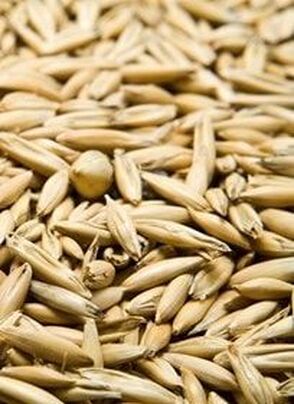
Oats (unhulled, sproutable)Oats are a very good source of fiber, especially beta glucan, and are high in vitamins, minerals, and antioxidants. Whole oats are the only food source of avenanthramides, a unique group of antioxidants believed to protect against heart disease. Due to their many benefits, such as lowering blood sugar and cholesterol levels, oats have gained considerable attention as a health food . They’re most commonly rolled or crushed and can be consumed as oatmeal (porridge) or used in baked goods, bread, muesli, and granola.
Whole-grain oats are called oat groats. They are most commonly rolled or crushed into flat flakes and lightly toasted to produce oatmeal. Unlike other grains, oat groats only last about a year if stored in a cool, dry place. This is due to their high fat content distributed throughout the groat, which causes rancidity over time. |
|
Most information about these grains was sourced from www.breadbeckers.com and www.breadtopia.com. For more
information, Sue Becker’s book The Essential Home-Ground Flour Book contains a wealth of whole grain knowledge
along with baking information and recipes. The podcast Sue’s Healthy Minutes by Sue Becker is also another great
resource.
information, Sue Becker’s book The Essential Home-Ground Flour Book contains a wealth of whole grain knowledge
along with baking information and recipes. The podcast Sue’s Healthy Minutes by Sue Becker is also another great
resource.